


Active vs Passive Physical Therapy Strategies


When it comes to physical therapy there are so many different ideas and thoughts that come with it. People pull from various experiences and whether that be from friends, family, coworkers, or others the reality is that we all have a specific set of expectations that come with it. Whether those be good or bad those paint our view of how we see the profession and what it offers to you as the individual. A subset of one of those expectations tends to be what you might expect in terms of treatment. I’m sure many of you have received different modalities, techniques, interventions, etc. all to ideally get you toward your goals and mitigate any lingering symptoms. While certain situations do warrant some strategies over others, the reality is that most interventions fall in the realm of either active or passive.
In the world of physical therapy we, as therapists, are so accustomed to researching these different strategies and seeing, hearing, and even trying some of the different methods to help people get better. While both active and passive strategies have value in the right contexts the reality is there is a need for the discussion of why one over the other. Starting with passive strategies there is much that can be said but I’ll keep things concise. As I’m sure many of you are aware there are different types of passive strategies that you’ve likely heard of, seen, or maybe even received such as: dry needling, scraping, cupping, any many others. There is a a strong pull toward some rather than others and while they can prove beneficial they often aren’t going to give the lasting relief that most people desire. Passive strategies can succinctly be defined as interventions that are done to the patient by the therapist either manually or with the help of certain modalities. These can be helpful, and there are situations that warrant them, but the goal long-term is the lasting relief and most passive methods only offer temporary relief.
This brings us to active strategies. You might notice that with time a session might be comprised of more active interventions but that is because this method often yields the longer lasting relief someone desires. These are methods/interventions that are done specifically by the patient with the intent of improving range of motion, proprioceptive awareness, or motor control. While it may vary which one a therapist might choose at a specific point in time, the common end goal is often aiming toward achieving motor control. Motor control is the brain-body connection to efficiently utilize a muscle or a set of muscles. While this does take more work, and is often a humbling process, the results are worthwhile and show how amazingly complex the body is.


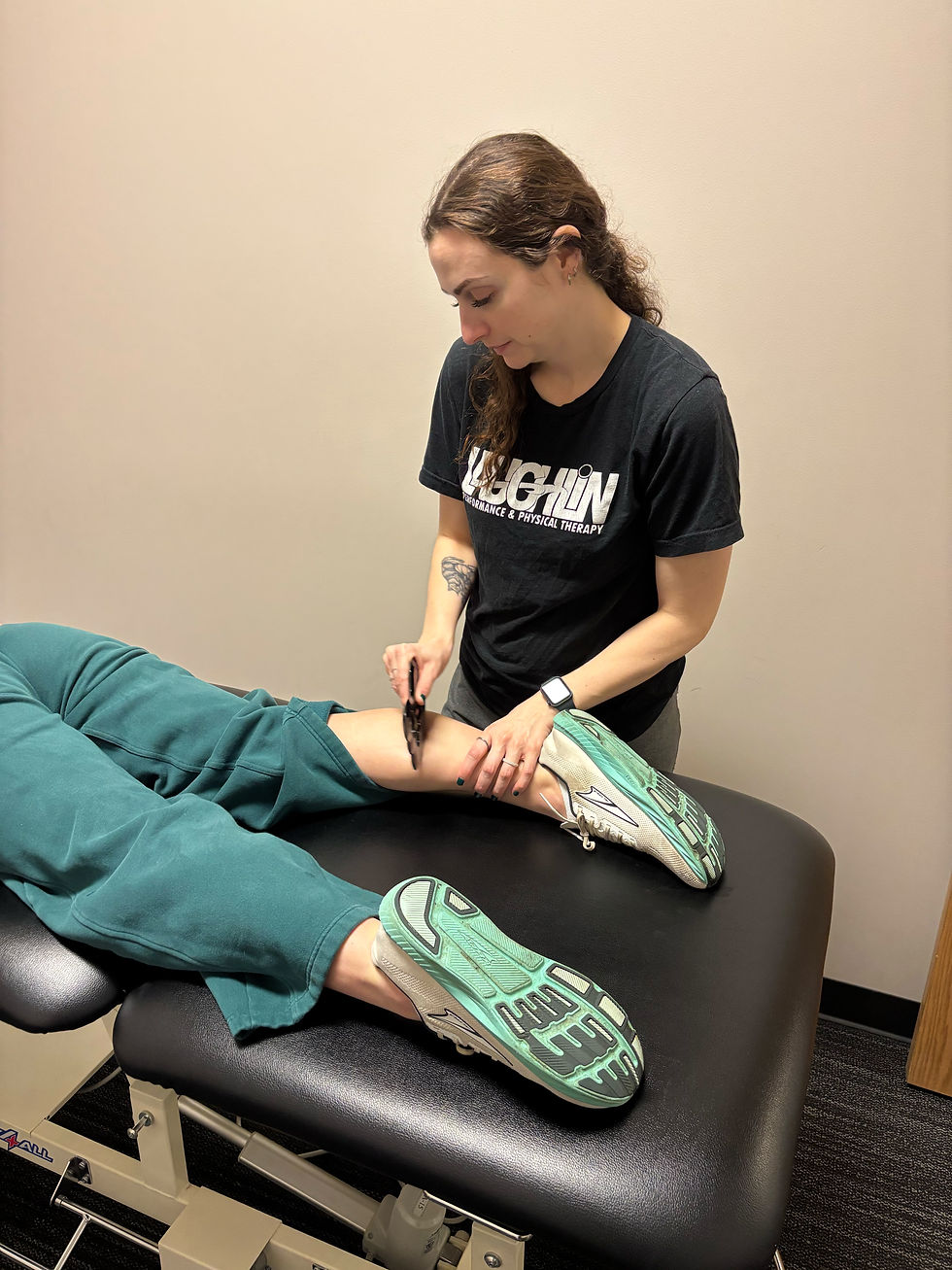
The reality is that there are layers that make up why a person seeks physical therapy in the first place. While this is the case, the goal is balancing the use of these different strategies to ensure that progress is being made toward the goals that you as a person desire. A truly good clinician will know how to balance the two appropriately to help you progress to where you as the individual want to be, and will adjust the treatment course depending on any bumps or hurdles might be present along the way. There is no “one size fits all” or “cookie-cutter” approach, the reality is that it depends. It depends on so many different variables and so many details, which are all important, and warrant a specific approach and we truly believe that you as an individual are worth the time and effort.




Comments